
eCommerce for Manufacturers: Selling Direct to Retailers and Consumers
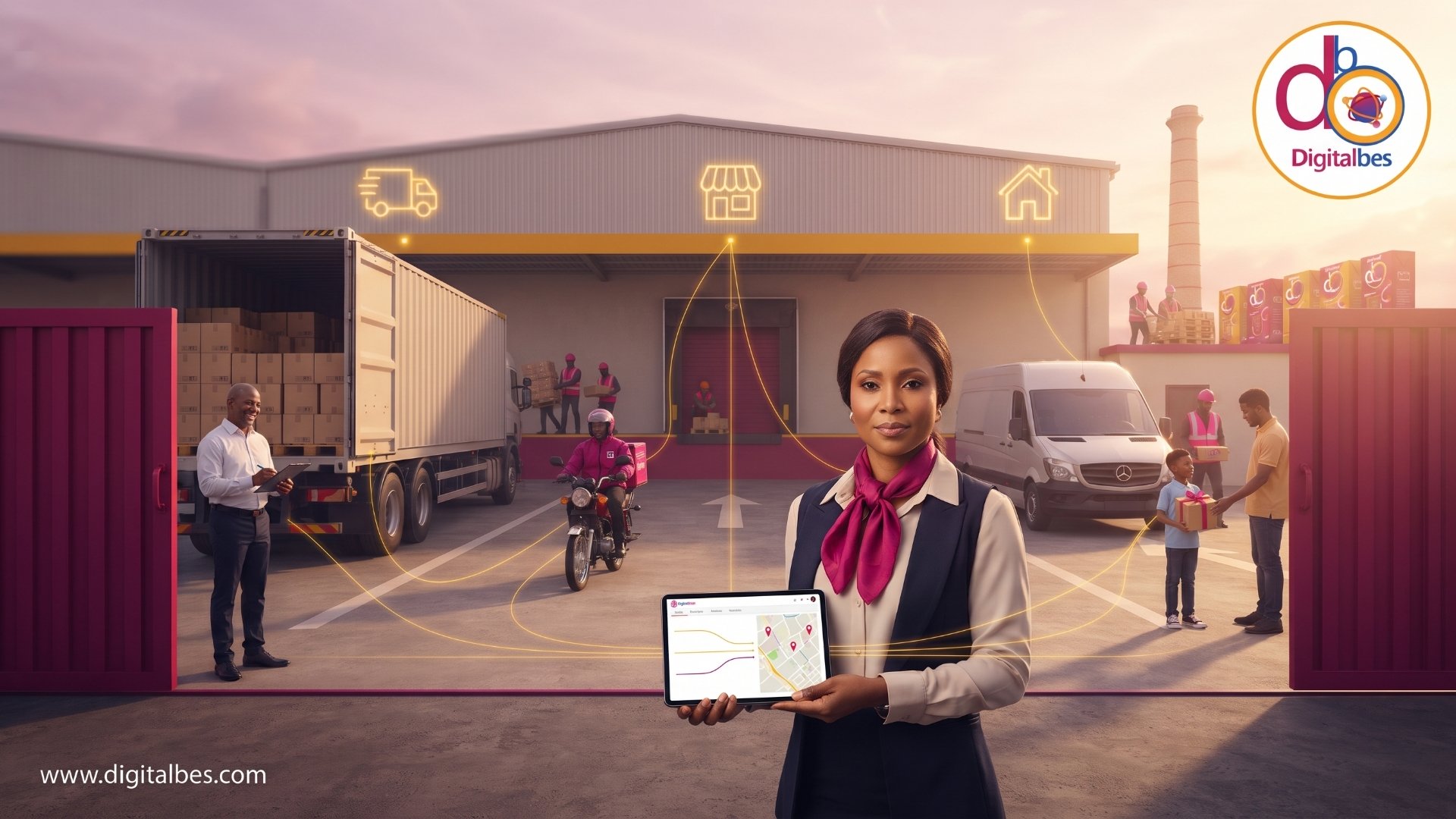
A Nigerian manufacturer's week often looks like this. Sales reps phone retailers for orders. Orders arrive by WhatsApp, voice note and handwritten list. Distributors hold the relationships, and head office sees what is really selling weeks later. At the same time, the retailer down the road already orders other goods from a phone app.
The question many manufacturers now ask is simple: should we sell direct online? The honest answer is "it depends, and it can go badly if you don't plan it."
This guide explains the three ways manufacturers sell direct, how to avoid upsetting the distributors who built your market, which features matter and how to start in 90 days.
Why manufacturers are looking at direct selling
Three forces are pushing in the same direction:
Retailers already order digitally. B2B commerce platforms such as TradeDepot and OmniRetail are now serving Nigerian retailers. A retailer who has used a phone to restock will expect the same from you, and someone else may own that relationship if you don't.
Some demand is currently unserved. Direct ecommerce can capture small accounts below a distributor's minimum order, areas with no distributor coverage and repeat buyers who just want to reorder without a phone call.
Buyers want ease. One industry guide reports that 65% of B2B buyers choose purchasing channels based on how easy they are to use. It's a vendor figure, so treat it as a signal.
You also gain data: which products reorder, which areas buy and which prices work.
The risk: channel conflict
When a manufacturer sells direct, distributors worry about being bypassed. BCG's survey of ecommerce channel managers found that 38% called channel conflict their top business concern, 93% said choices made to please distributors had cost revenue and about two-thirds avoided some channels to protect others.
Both extremes cost money: ignore your distributors and you damage the network that sells most of your product; avoid direct selling altogether and you leave demand on the table. The goal is a deliberate design that makes each channel's role clear.
Common causes of conflict include a lack of communication, inconsistent pricing across channels and one channel being favoured over others.
Three ways to sell direct
Model | Who it serves | Best for | Watch out for |
|---|---|---|---|
B2B ordering portal | Existing retailers and trade buyers | Repeat orders, account pricing, credit terms | Needs accurate pricing and stock data |
Direct-to-consumer store | Individual shoppers | Brand-building, gifts, bulk consumer packs | Delivery cost, returns and customer support |
Hybrid | Both, with clear rules | Manufacturers with a strong distributor base | Needs firm channel rules |
Most manufacturers should start with a B2B portal (or a narrow product range for consumers), pilot it and then expand.
8 rules for selling direct without upsetting distributors
Decide each channel's role in writing. For example: distributors serve territory X and large accounts; the portal serves small retailers and uncovered areas.
Keep pricing consistent. Price differences between channels fuel conflict. Brands that hold a standard price across channels avoid price competition between retailer and manufacturer.
Involve distributors early. Telling partners about changes before launch protects trust.
Differentiate by pack, range or service. Channel-exclusive products or pack sizes can reduce direct competition.
Route orders by territory. Where a distributor covers an area, consider routing the order to them and crediting them.
Give distributors visibility. A dashboard showing orders in their territory turns the portal into a tool for them too.
Pilot first. Map your current channel, prepare your data, design the process, implement and then pilot and measure.
Review regularly. Treat channel management as an ongoing process, not a one-time project.
Features a manufacturer's store needs
Feature | Why it matters |
|---|---|
Account-based pricing | Each retailer sees the price agreed for their tier |
Minimum orders and pack sizes | Cartons, cases and pallets sold the way you ship them |
Quick reorder | Repeat last order in a few taps |
Credit limits and invoices | Approved accounts buy on terms, with limits enforced |
Live stock availability | No selling what the warehouse doesn't have |
Payments | Cards, bank transfer and USSD through a gateway such as Paystack or Flutterwave |
Delivery zones and tracking | Fees, delivery slots and order status |
WhatsApp ordering | Many retailers prefer chat, so connect it to the order system |
Accounting or ERP sync | Orders, invoices and stock update without retyping |
Roles and audit trail | Sales reps, distributors and finance see the right data, and changes are logged |
Reports | What reorders, which areas grow, who is overdue |
If your accounting or ERP system holds the truth on pricing and stock, the store has to stay aligned with it. That integration is usually the hardest part of the project.
See our earlier posts on wholesale ordering portals, inventory sync and the eCommerce features Nigerian stores need.
Nigerian realities to plan for
Credit risk. Retailers expect terms. Set limits, approvals and reminders before you offer them.
Delivery. Congestion and unclear addresses push up last-mile costs. Plan zones, partners and clear delivery fees.
Payments. Offer the options your buyers use: cards, transfer and USSD.
Informal retail. Many retailers prefer WhatsApp. Make chat a supported channel, not a rival one.
Data protection. Customer and trade data is personal and commercial data. Use role-based access and see our guide to data protection for Nigerian websites.
Mistakes to avoid
❌ Launching direct pricing that undercuts your distributors
❌ Surprising your partners with the announcement
❌ Selling consumer-size packs in the retailer channel (and the reverse) without rules
❌ Building a store that isn't connected to stock and accounting
❌ Offering credit without limits
❌ Ignoring delivery costs
❌ Skipping the pilot
Frequently asked questions
Will selling direct upset my distributors? It can, if you don't plan it. Clear channel roles, consistent pricing, early conversations and territory rules reduce the risk.
Should I sell to consumers or retailers first? Most manufacturers start with retailers, usually through a B2B portal, because those relationships and order patterns already exist.
Do I need to connect the store to my ERP or accounting system? For anything beyond a small pilot, yes. Otherwise staff retype orders and stock drifts out of date.
How long does it take? It depends on your range and systems. A pilot often takes a couple of months. We confirm timelines after discovery.
How Digitalbes Limited can help
At Digitalbes Limited, we build secure, mobile-friendly eCommerce and ordering platforms for Nigerian businesses, including:
B2B ordering portals: account pricing, pack sizes, reordering and credit controls
Direct-to-consumer stores: payments, delivery zones and tracking
Integrations: stock, accounting and ERP sync, and payment gateways
WhatsApp ordering and notifications
Dashboards and audit trails for sales teams and distributors
Hosting, maintenance and support
Final thoughts
Selling direct isn't a choice between your distributors and your customers. Done well, it adds a channel for the demand your distributors can't serve, gives you data and lets retailers reorder in seconds.
Start with clear rules, a pilot and a platform that connects to your stock and pricing. Then grow it with your partners, not around them.
Thinking of selling direct?
Request a free consultation from Digitalbes Limited. We'll map your channels, your pricing rules and the platform you'd need.
📩 www.digitalbes.com/services/ecommerce-website-design
Bringing Your Ideas to Digital Life
Join the Conversation
Written by
Digitalbes Team
Ready to build something
extraordinary?
Join forward-thinking companies that trust Digitalbes to deliver scalable, high-performance digital solutions. Let's turn your vision into measurable growth.